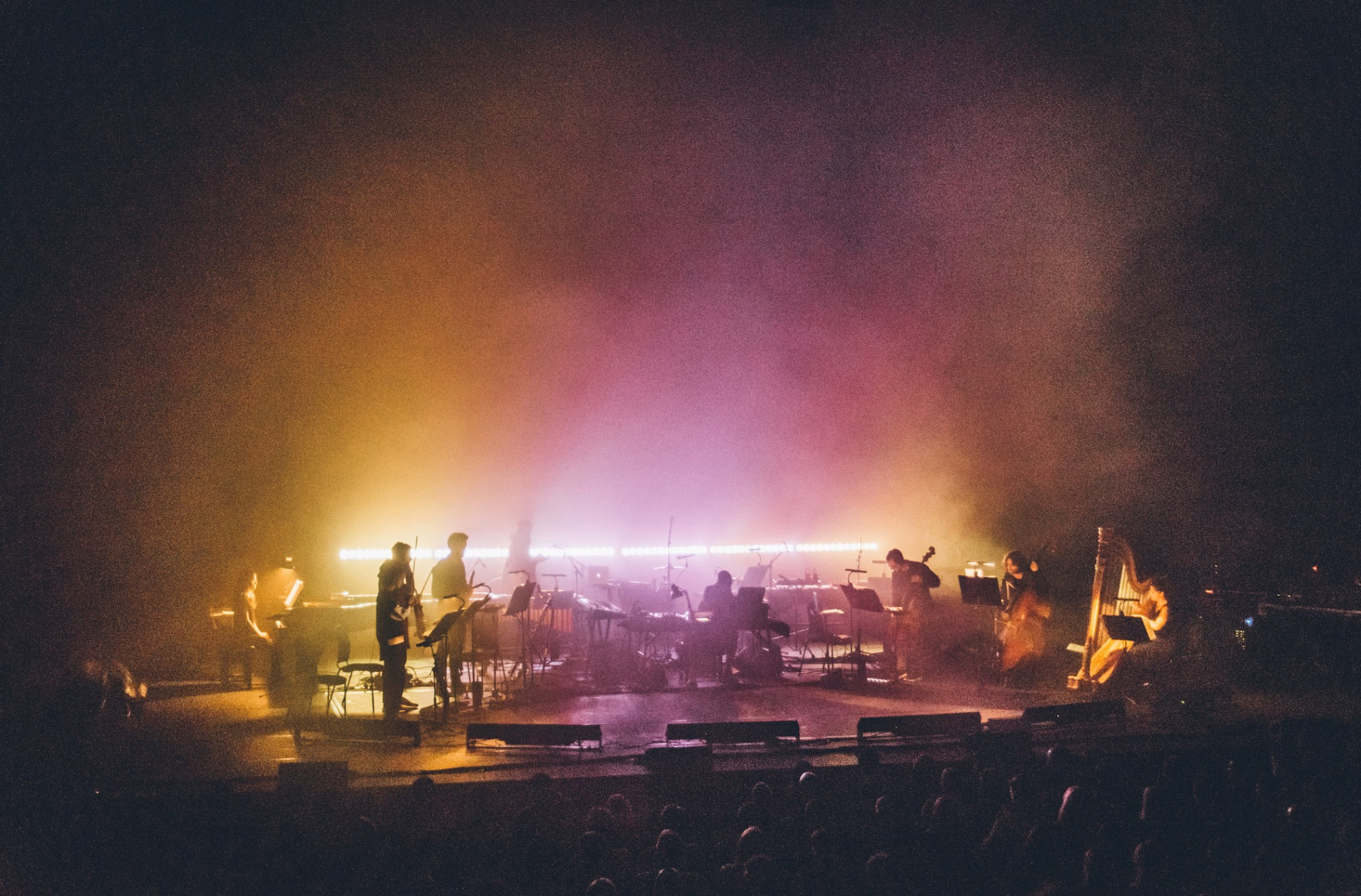
The orchestra is an extraordinary piece of human technology. The score is the code, the individual parts distribute that information across the group, the conductor coordinates it in real time, and rehearsal is where the whole system gets tested and adjusted. But unlike most technology, the machinery is human. Every player is interpreting, listening, anticipating and making decisions all the time. That is what makes an orchestra so powerful, and also why I find it strange that we can be so conservative about what we allow it to become.
For twenty years, first building the London Contemporary Orchestra from the ground up and now increasingly through my own work as a conductor, I have been trying to work out what an orchestra can actually be. I did not start with a theory about this, most of it came from doing the work, putting musicians into rooms, trying things, getting some of them wrong, then working out why. Looking back, the same question has been there almost from the beginning: what happens if you stop treating the orchestra as a fixed format and start treating it as something you can rebuild every time?
Sometimes it is a hundred musicians making an enormous wall of sound, sometimes it is four people barely making a sound at all, sometimes electronics become part of it, sometimes a film, a dancer, a building or an audience changes how the musicians need to behave. I don’t think there is one correct orchestra, and I am not sure there ever was.
When I think about the music that first made me obsessed with all of this, that idea was already there. Berlioz is probably the clearest example for me, his music is excessive, theatrical, violent, intimate, psychologically unstable and completely alive, he understood that the orchestra itself could change how you experience time and emotion. You can hear that same urge to pull things apart and rebuild them in Stravinsky, Varèse, Messiaen and Stockhausen. They were not looking after an inherited object, they were trying to find out what else it could do. That, to me, is the classical tradition.
The Idea Comes First
I don’t start by asking what repertoire we should play. Usually something else comes first, a place, a person, a film, a feeling, something political, or simply a musical problem I cannot quite solve, then I start working out what music belongs inside it and what the orchestra actually needs to be.
Some of the earliest LCO projects taught me this because we had very little choice. We performed in Aldwych Underground, Wapping Hydraulic Power Station, the Old Vic Tunnels and other strange spaces partly because we did not have much money and were looking for places where we could make something happen. At first that was practical, but quite quickly I realised the spaces were changing the music.
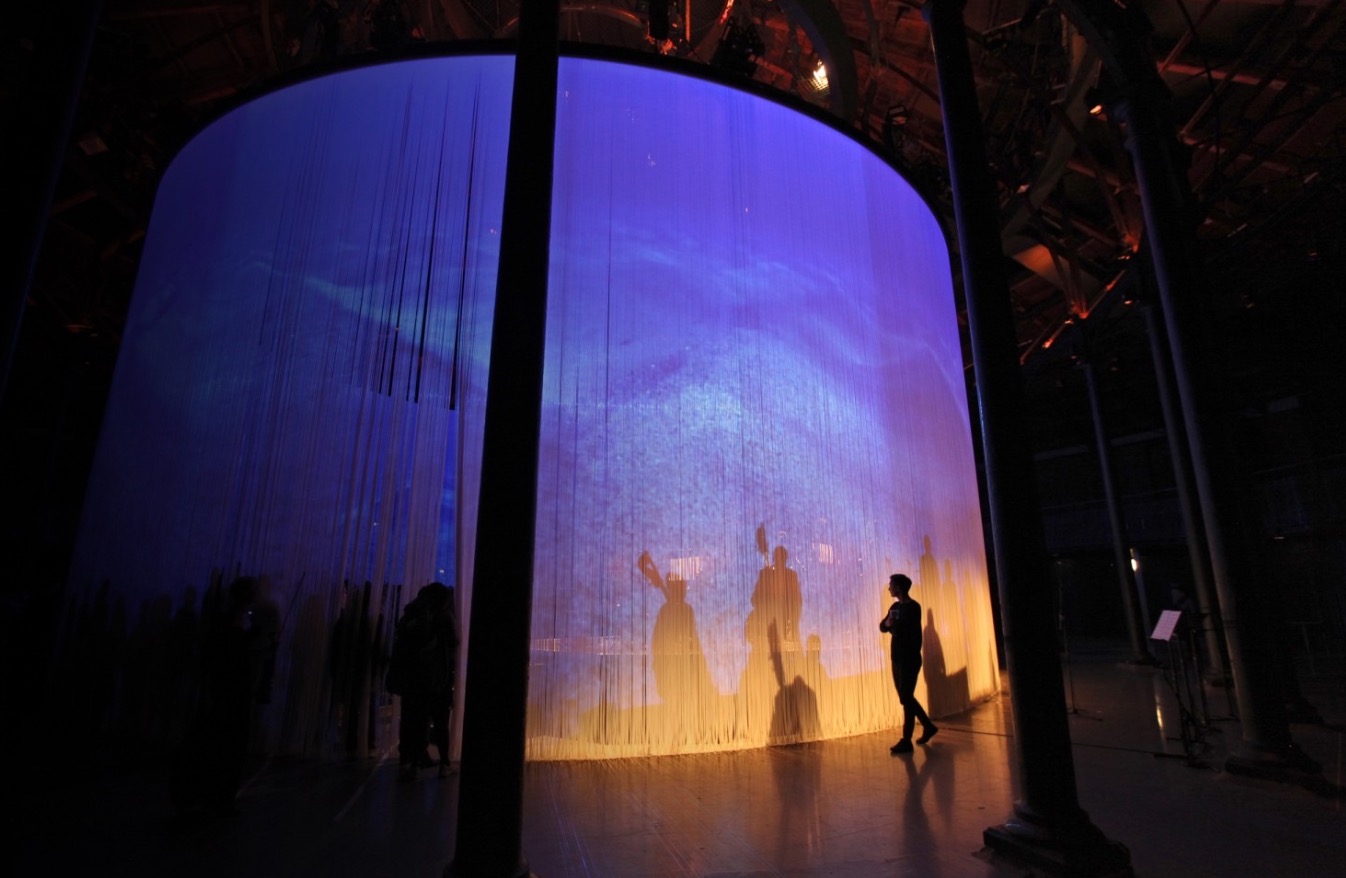
The building is doing something to the music
Stockhausen in a concert hall and Stockhausen in a disused Tube station are not the same thing, and I don’t think they should be. The acoustic changes, the distance between the players and the audience changes, people arrive expecting something different, they move differently, they listen differently. The building is doing something to the music whether you acknowledge it or not.
That stayed with me as the projects became bigger. Pioneers of Sound at the Proms was not interesting because putting Delia Derbyshire and Daphne Oram into the Royal Albert Hall somehow made their work more important. It was already important. The interesting part was asking an orchestra to step into a world created by people who had changed the way we hear sound and technology, and to do that without taking over.
That matters to me. The orchestra is incredibly powerful, and power can be clumsy if you are not careful.
True Collaboration
I have never liked the word “crossover”. It makes it sound as though there are two fixed camps and somebody has arranged for them to meet in the middle, usually with the orchestra being treated as the serious bit.
That has not been my experience at all.
When I worked with Sigur Rós on their first orchestral concerts, the question was not how to put strings behind a band. They already had a musical language that had existed for twenty-five years, the job was to work out how forty-one orchestral musicians could enter that language without flattening it, and what might become possible because those people were suddenly there.
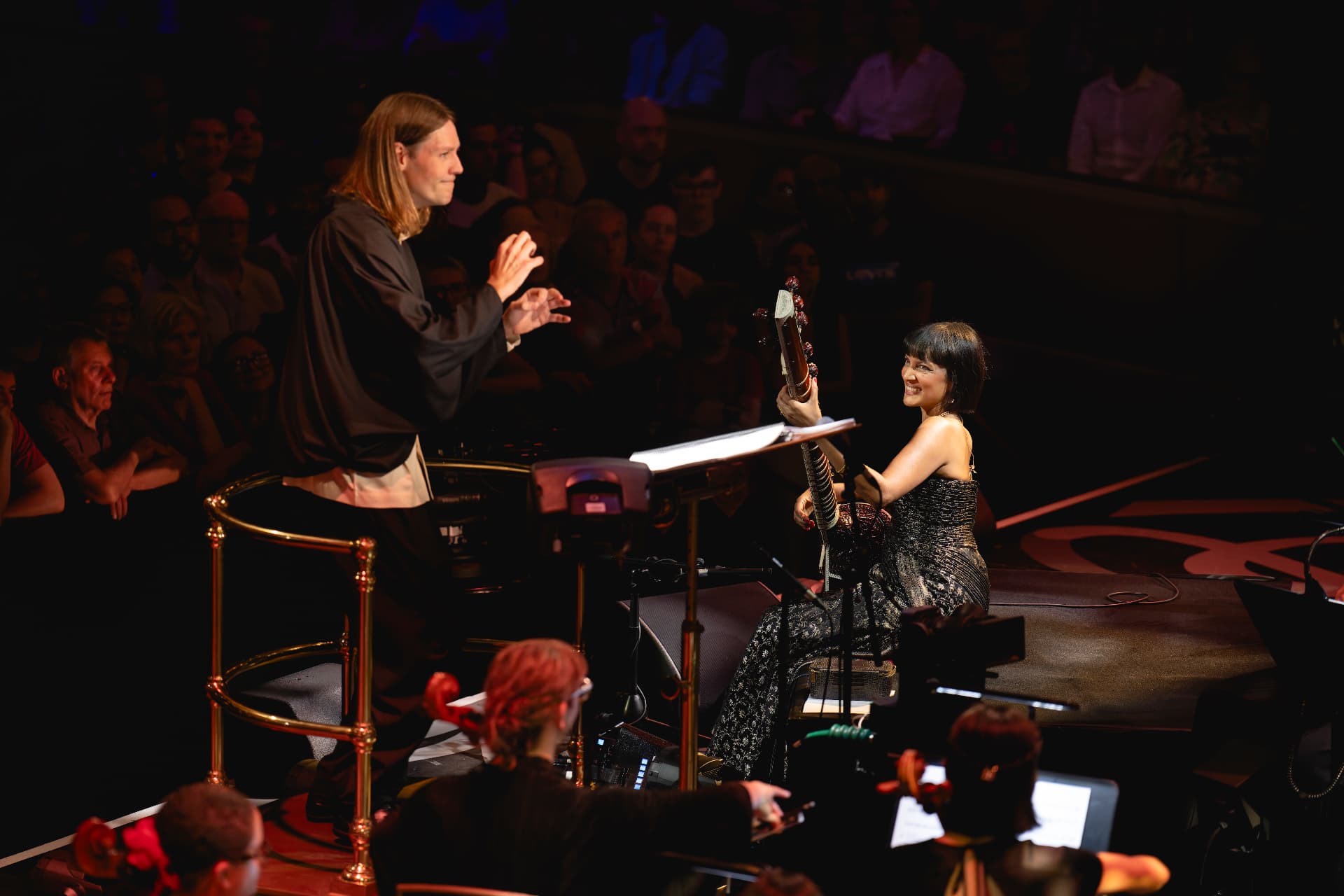
Entering a language without flattening it
You have to listen before you start adding things.
That sounds simple, but orchestras carry a lot of habits with them, so do conductors, arrangers and composers. We know how to make something bigger, brighter, louder, more dramatic, but bigger is not always better and more notes are not always an improvement. I have spent a lot of time learning how to hear what somebody is actually asking for before translating it into notation and putting it in front of musicians.
Sometimes the answer is a huge orchestra, sometimes it is hardly anything, and sometimes the best thing I can do is ask the orchestra to stop behaving like one.
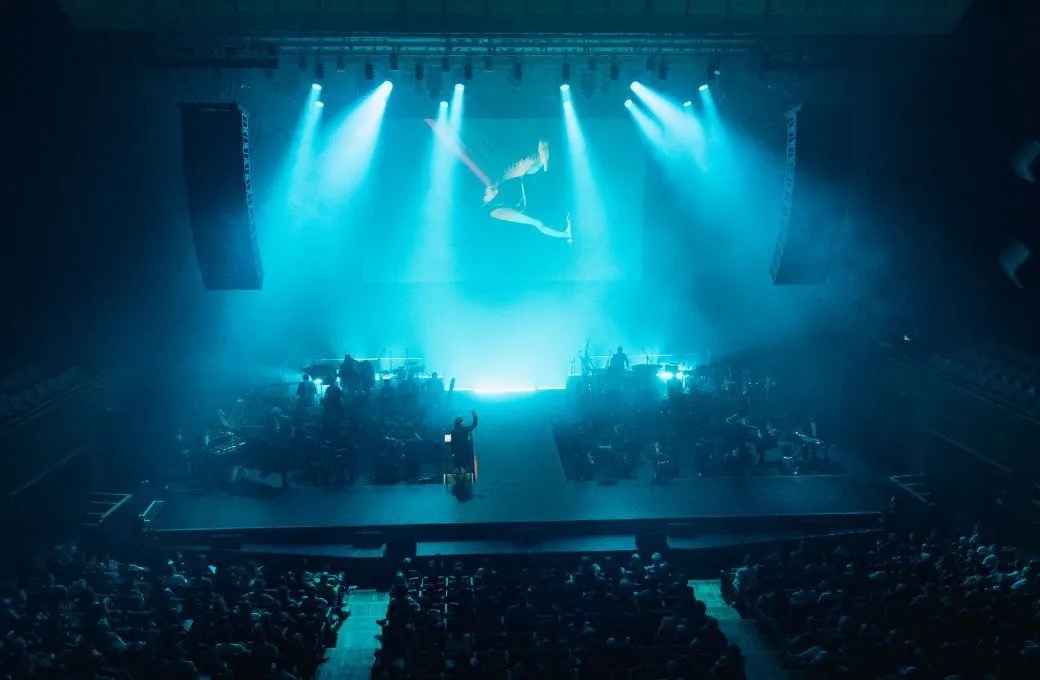
An orchestra that stops behaving like one
If both sides come out exactly as they went in, I don’t think much collaboration has happened.
A Social Instrument
The older I get, the more interested I am in the orchestra simply as a group of people. It is an instrument, but the instrument is made out of human beings, dozens of different personalities, backgrounds, strengths and instincts trying to make one thing together.
That changes what conducting means to me. Of course the job involves rhythm, balance, tuning, phrasing, structure and all the things we are taught, but it cannot just be about getting a large group of people to obey. The really good moments happen when everybody understands enough about what we are trying to do that they can start listening and making decisions for themselves.
I don’t want an obedient orchestra, I want one that is awake, listening sideways as much as it listens to me.
Knowing why something is happening rather than simply reacting to my hands matters more than obedience. Sometimes that needs absolute precision, sometimes it means leaving people alone.
This is also why I still care so much about live performance. Almost anything can now be experienced alone and immediately through a screen, while an orchestra still requires a lot of people to physically turn up in the same place. You hear breathing, chairs moving, bows hitting strings, air passing through instruments, people adjusting to a room and to each other. Things go slightly wrong and recover. Somebody does something unexpected and everybody responds.
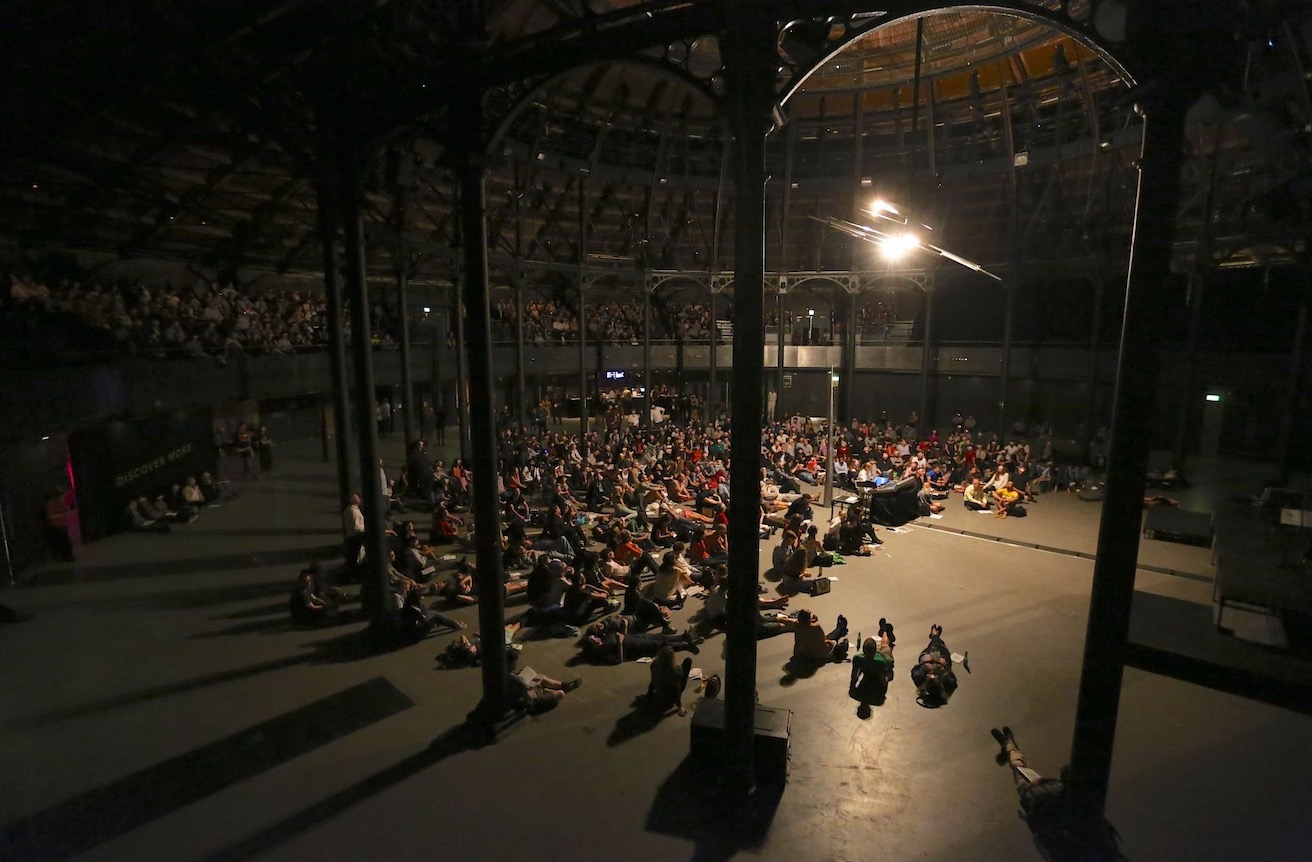
Dozens of instincts trying to make one thing together
I like that. I don’t want all the human evidence removed.
Programming is Making Connections
I don’t think programming is about filling two halves of a concert and making the timings work. For me the interesting bit is what happens between the pieces.
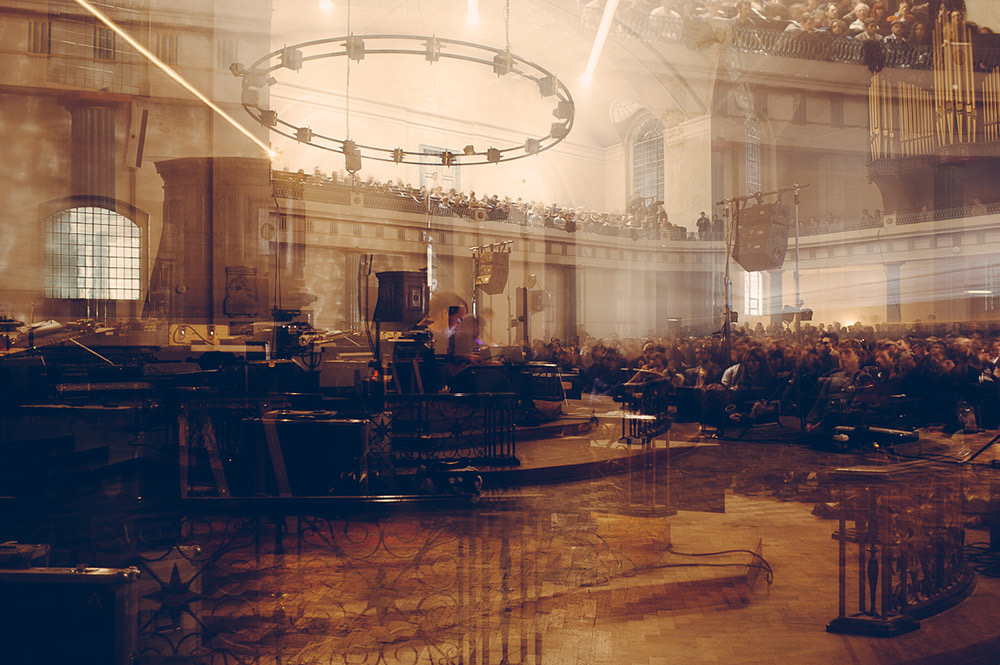
What happens between the pieces
Something written two hundred years ago can suddenly sound completely contemporary because of what you put next to it. Berlioz can sit beside Hildur Guðnadóttir, Philip Glass beside electronic music, John Adams beside Michael Nyman. Those connections do not need to make tidy academic sense, they need to make musical sense.
I also don’t buy the idea that classical music needs to be “made relevant”. It is already everywhere, in film, records, games, clubs, fashion, electronic music and contemporary art. A lot of the boundaries we spend time worrying about are professional boundaries rather than musical ones.
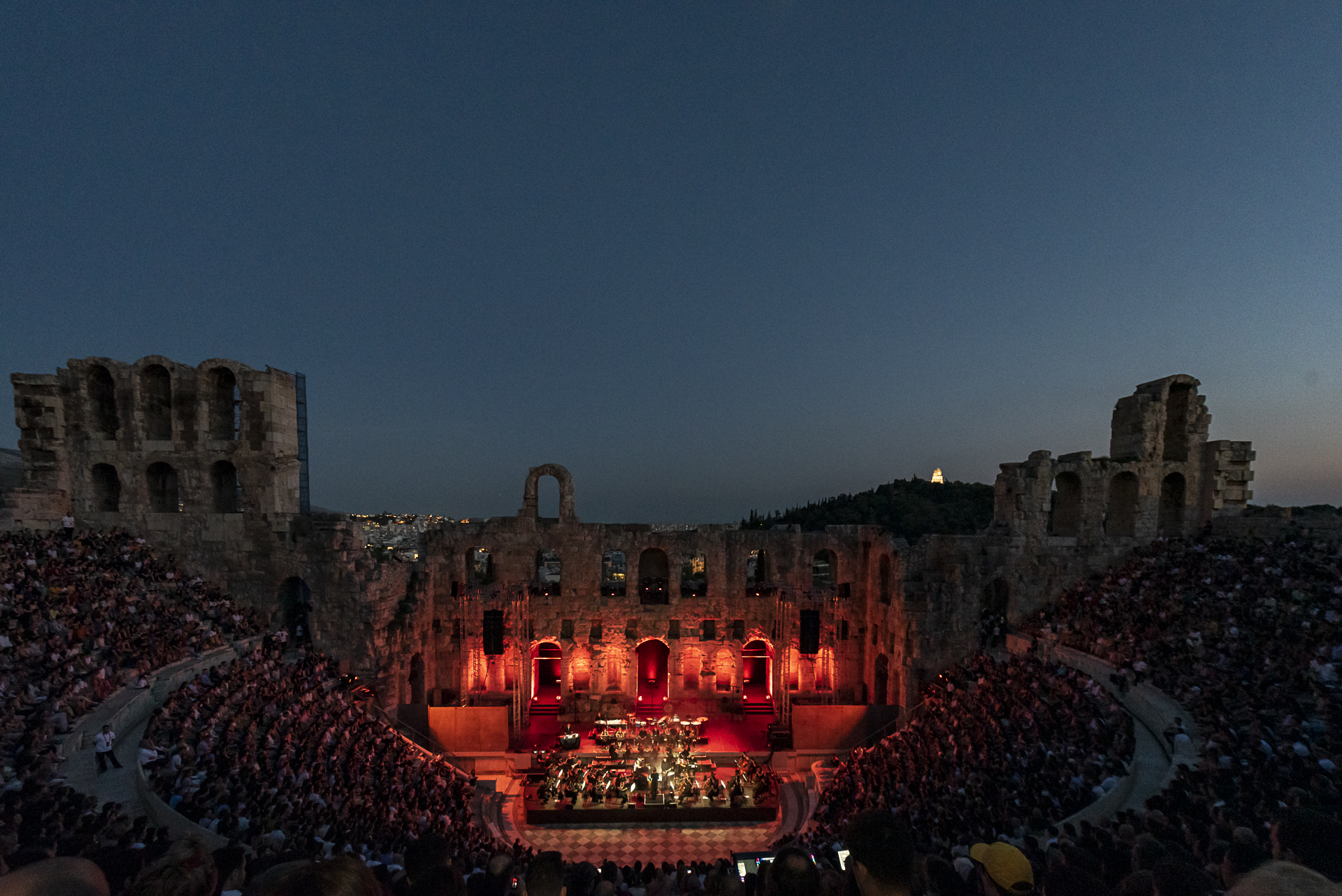
People will follow you a long way if there is a reason for what you are doing
Audiences seem to understand that perfectly well. Pioneers of Sound, Reel Change, the work with Jonny Greenwood, Reich, Glass, Sigur Rós, Hildur, electronic artists and film have taught me that people will follow you a long way if there is a reason for what you are doing. They don’t need every connection explained to them and they certainly don’t need to be patronised.
Quite often we are the ones making it complicated.
What I Have Learnt
After twenty years I know a lot of practical things I did not know when I started, and most of them came from being in rooms where something was not working.
I know how quickly you can lose a rehearsal by solving the wrong problem. You can spend ten minutes worrying about the intonation in the strings when the actual problem is that nobody feels the underlying groove, and until you fix that, tuning individual notes is not going to save you. That seems obvious afterwards, but it does not always feel obvious when sixty or eighty people are sitting in front of you and the clock is moving.
I know how to translate between artists and orchestral musicians who can be describing exactly the same thing in completely different languages. An electronic producer might ask for “more dirt and grit”. The players need something they can physically do. That might be col legno, less vibrato, more bow pressure, moving closer to the bridge, changing the orchestration, or it might be none of those things. You have to work out what the person is hearing, not just translate the words.
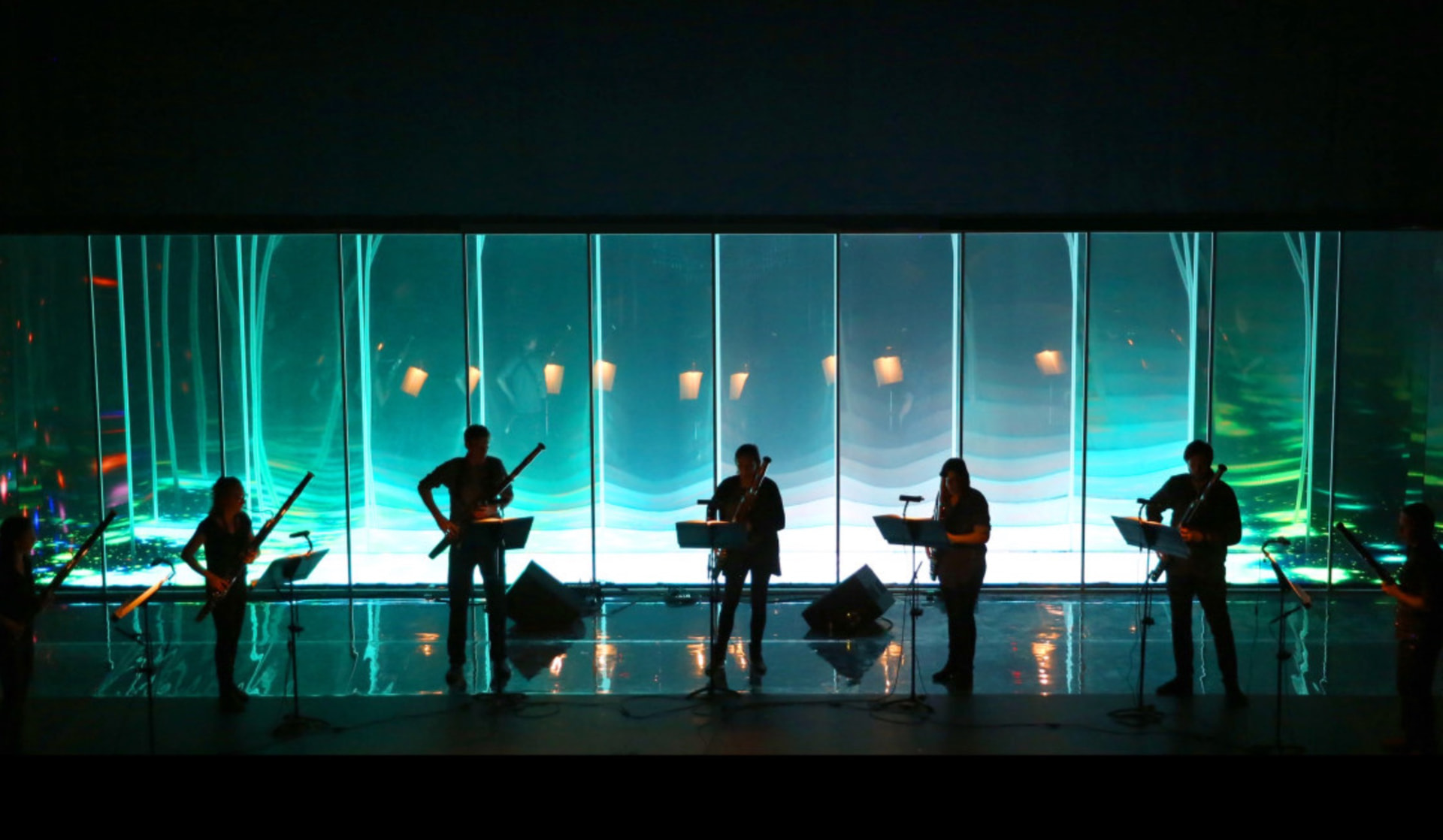
More dirt and grit — translated into something a player can physically do
I know when an arrangement needs tearing apart and when it simply needs another run, when everybody needs another ten minutes, when I need to intervene and when I need to leave people alone. I know how easy it is to destroy something intimate by giving it to too many people, and how easy it is to mistake loudness for scale.
Most of these things I learnt because at some point I got them wrong.
That is probably the most useful thing twenty years gives you, not certainty, but a quicker sense of where the real problem might be.
What Comes Next
The word punk still makes sense to me, not as a style of music and not as dressing an orchestra up to look rebellious, but as an attitude towards rules.
Orchestras do a lot of things because they work. They also do some things because nobody has asked for a while why they are still doing them. I want to know the difference.
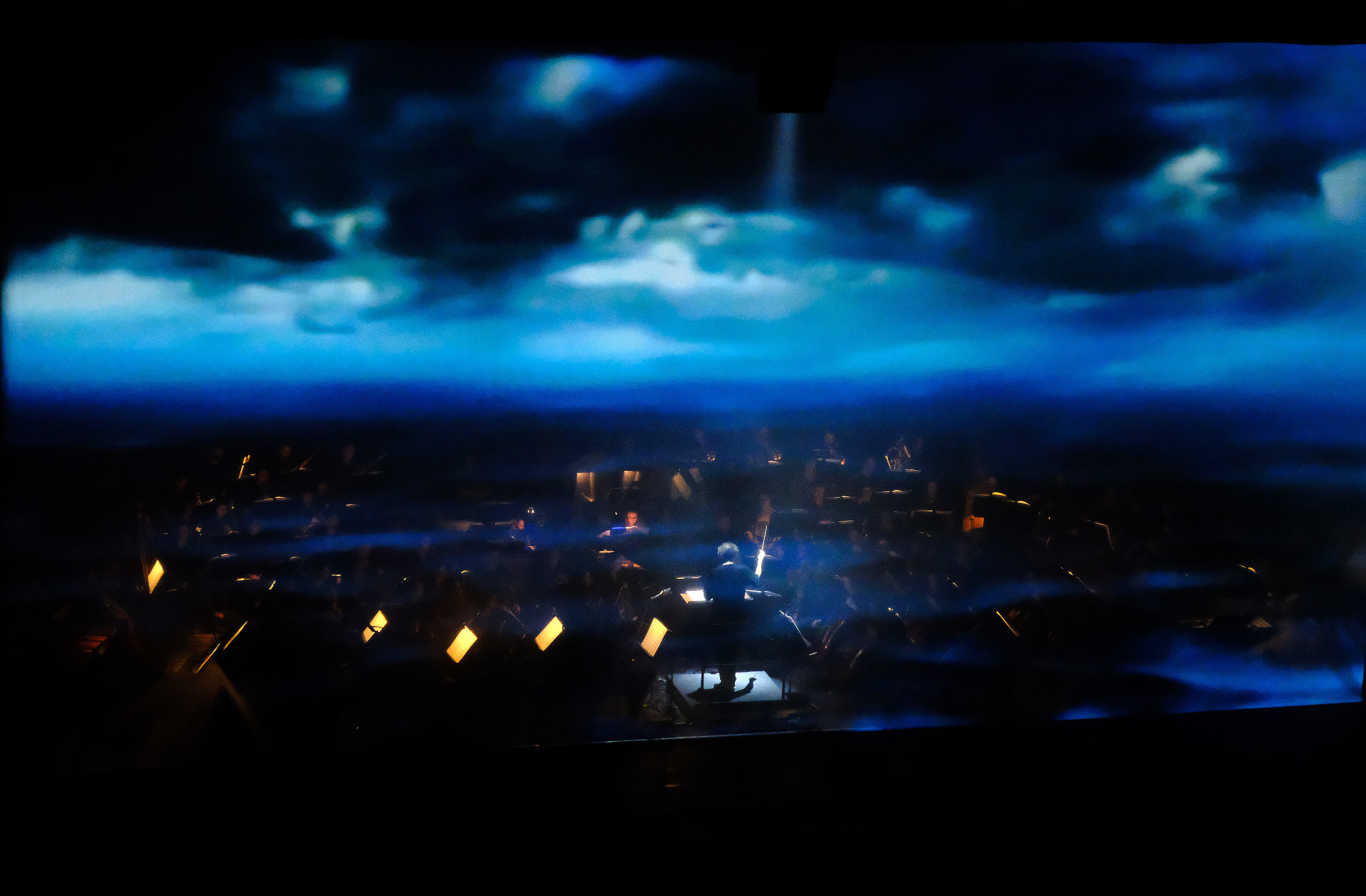
Creating collisions, not filling two halves
If we take music that was radical when it was written, polish it beautifully and then keep it safely behind glass, we miss something important about why it exists. I want to conduct Berlioz because the music still feels strange, excessive and alive to me, not because somebody decided a long time ago that it belongs on a list of masterpieces, and I want the music being written now to be given exactly the same seriousness.
None of this means throwing away the tradition. I have no interest in doing that. It means respecting it enough to argue with it.
Sometimes what I do will be a completely straight symphonic concert, because sometimes that is exactly what the music needs. Sometimes it will involve an artist who has never worked with an orchestra, a film, electronics, a strange building or an idea that does not fit neatly into a concert programme. I don’t see a contradiction between those things.
I still want some risk in an orchestra, not bad playing and not chaos for the sake of it, just the feeling that real people are doing something difficult together and that what is happening tonight actually belongs to tonight.
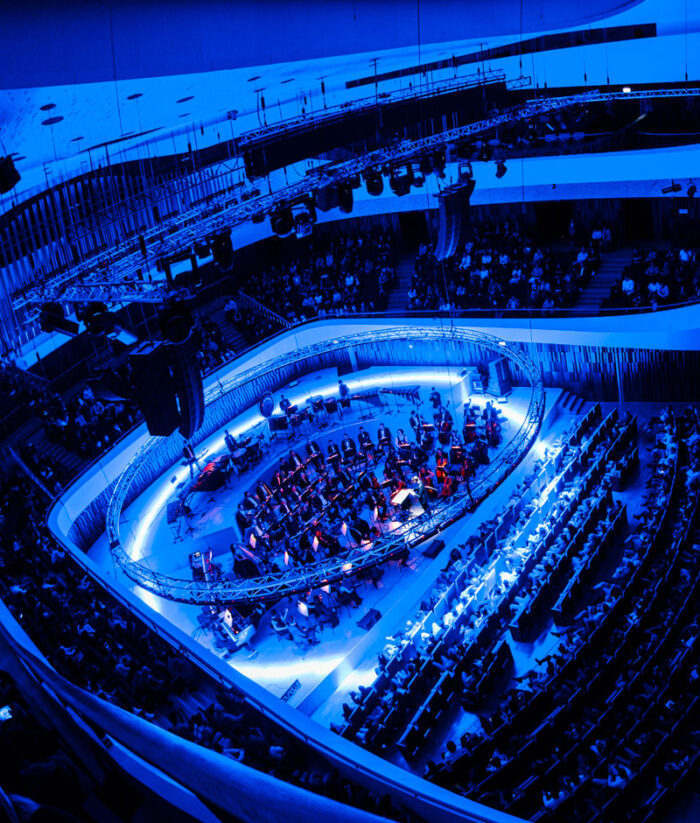
What is happening tonight belongs to tonight
After twenty years, I still don’t want to decide in advance what an orchestra is. I am still fascinated by what happens when a group of extraordinary musicians walk into a room, start listening to one another and make something none of them could make alone.
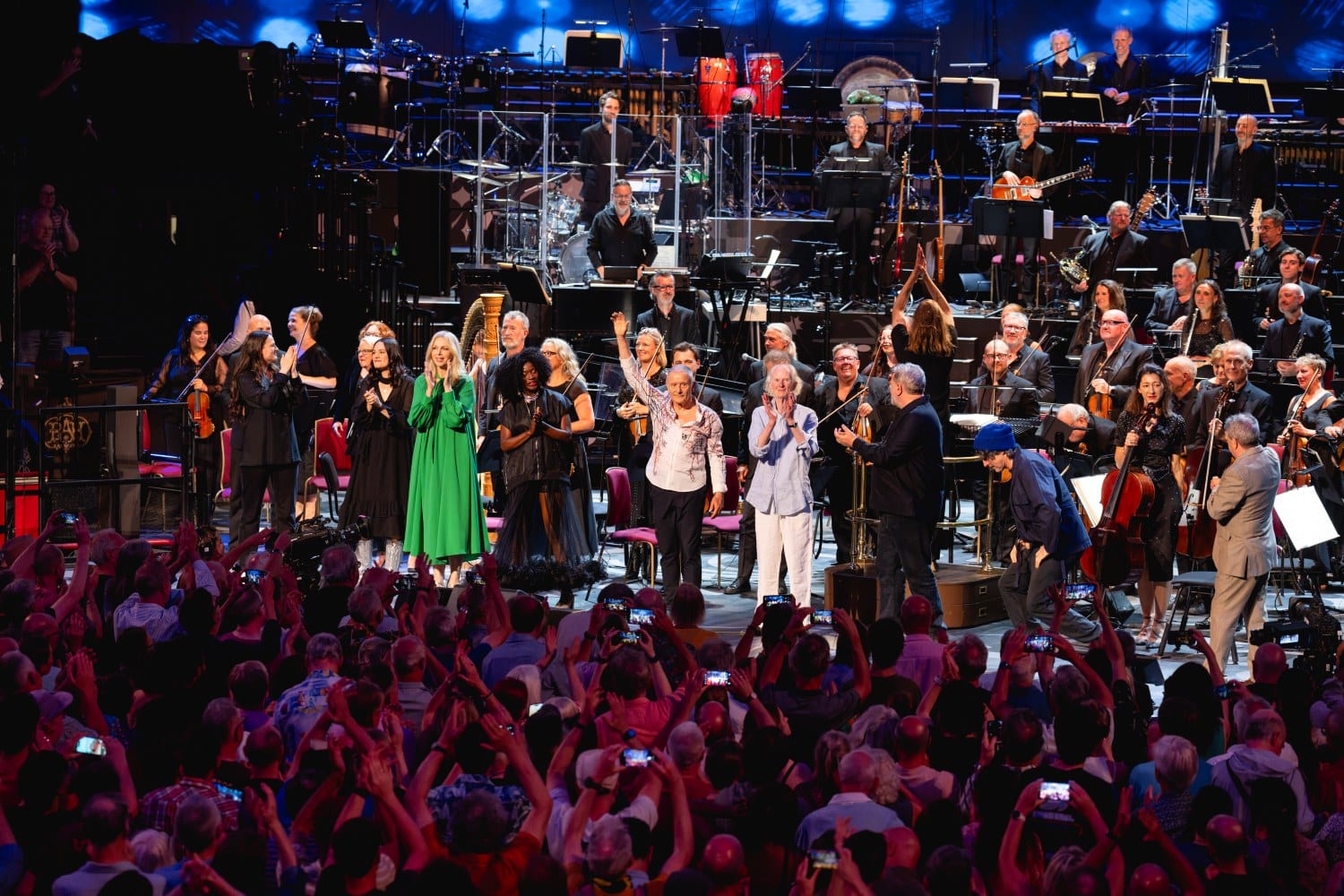
Real people doing something difficult together
What can this orchestra become?